If you’re considering dermal fillers, one of the first questions is obvious. How long do dermal fillers last? The honest answer? It depends. Filler does not fade on a fixed schedule. The same product, placed in the same area in the same amount, can last noticeably longer for one person than for another. Three factors shape where your results land. The filler itself, the area treated, and how quickly your body breaks it down. That is why the timelines below are presented as ranges rather than fixed figures. Here is what to realistically expect, by type and by area, and how to make your results last.
The Short Answer on Filler Longevity
So how long do dermal fillers last? Most dermal fillers last between 6 and 18 months, but that range is wide because no two treatments are alike. Three things decide where you land. The type of filler used, the area of the face it treats, and how fast your body breaks the product down. A firmer filler placed deep in the cheek holds far longer than a soft gel in the lips. A faster metabolism shortens the timeline for everyone. Individual results vary, so treat these numbers as typical ranges, not guarantees.
Why Fillers Fade (and Why That’s Normal)
Hyaluronic acid is a substance your body already produces, which is part of what makes hyaluronic acid fillers so well tolerated. Over time, your body metabolizes the gel the same way it handles its own hyaluronic acid. The filler slowly softens and reabsorbs instead of vanishing overnight. Biostimulatory filler works differently. Products like Sculptra and Radiesse stimulate your skin’s own collagen production so that the visible results can outlast the material itself.
For the first few months, hyaluronic acid fillers attract and hold water, so your results look stable until roughly the midpoint of their lifespan. After that, volume tapers more noticeably.
How Long Fillers Last by Filler Type
The single biggest factor in filler longevity is which product is used.
Hyaluronic Acid Fillers Like Juvederm and Restylane
Hyaluronic acid fillers like Juvederm and Restylane are the most common choice because they give immediate, natural-looking results. They last 6 to 18 months, depending on the product and the area treated. Firmer, more heavily crosslinked formulas with larger particle size last longer, while softer gels used for delicate areas fade sooner. Hyaluronic acid fillers also have a practical advantage. They can be dissolved if needed.
Biostimulatory Fillers Like Sculptra and Radiesse
Instead of just adding volume, biostimulatory fillers stimulate your own collagen production. Radiesse lasts 12 to 18 months. Sculptra can last up to 2 years as collagen builds. Results appear gradually over several weeks rather than instantly.
Semi-Permanent Fillers
Semi-permanent PMMA fillers can last 5 years or longer by combining collagen stimulation with tiny, non-absorbable beads. They are not reversible. That makes them best for patients who already know exactly what they want, and it is one reason a conservative, consultation-first approach matters.
As a quick reference, hyaluronic acid fillers like Juvederm and Restylane last 6 to 18 months; biostimulatory fillers like Radiesse last 12 to 18 months; Sculptra lasts up to 2 years; and semi-permanent PMMA fillers can last 5 years or longer.
How Long Fillers Last by Treatment Area
Where the filler goes matters as much as which filler is used; as a rule, the more an area moves, the faster it burns through product.
Lips
Lip filler has the shortest lifespan of any facial area, at 6 to 12 months. Your lips move constantly when you talk, eat, and smile, and that muscle activity steadily breaks down hyaluronic acid.
Cheeks and Mid-Face
Cheek filler lasts the longest of the common treatments, at 12 to 24 months. This area moves relatively little; the product sits deep on the bone for stability, and the firmer fillers used here hold their shape well.
Under-Eye and Tear Trough Filler
Under-eye filler in the tear trough lasts 9 to 12 months, sometimes longer, thanks to minimal movement in the area. It is also the least predictable region and the most technique-sensitive, so provider skill matters most here.
Jawline and Chin
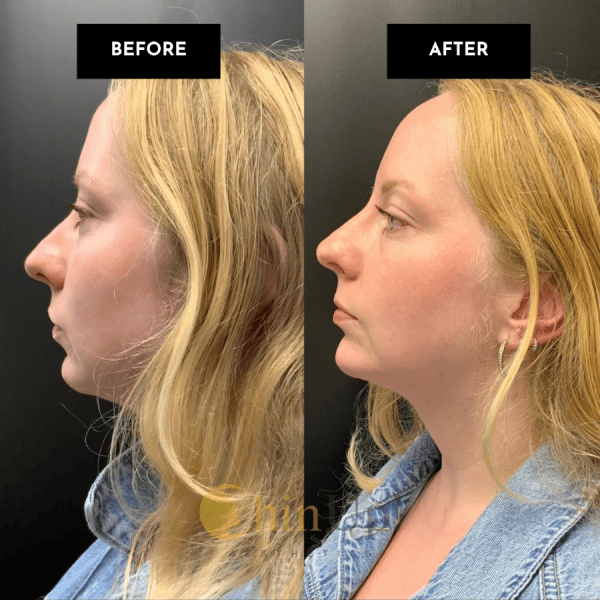
Jawline filler and chin enhancement last 12 to 18 months. These areas use firm, structural products placed deep along the bone, and they move relatively little.
Nasolabial Folds and Smile Lines
Filler that softens the nasolabial folds and smile lines lasts 9 to 12 months. Moderate movement here puts it between the high-motion lips and the more stable cheeks.
By area, lip filler lasts 6 to 12 months; cheek filler lasts 12 to 24 months; under-eye filler in the tear trough lasts 9 to 12 months; jawline filler lasts 12 to 18 months; and filler in the nasolabial folds lasts 9 to 12 months.
What Affects How Long Your Fillers Last
Beyond type and area, a few personal and technical factors move the needle on filler longevity.
Filler Type and Technology
Higher crosslinking and larger particle size result in longer-lasting results.
Treatment Area and Muscle Movement
High-motion areas like the lips clear filler faster than low-motion areas like the cheeks and tear trough.
Your Metabolism, Age, and Activity Level
A faster metabolism clears filler sooner. Some very active patients feel theirs fades a bit earlier, though that link is not well proven.
Lifestyle, Sun, Smoking, and Hydration
UV exposure and smoking break hyaluronic acid down faster, and hydration helps it hold.
Injector Technique and Product Selection
Product choice, depth, and placement drive both how long results last and how natural they look. This is where a provider-led approach earns its value.
What to Expect After Your Treatment
Results are not always instant. Hyaluronic acid fillers continue to settle over 2 to 4 weeks as they bind water. Mild swelling, redness, or bruising in the first few days is normal. Once settled, your results last through the typical window for your filler and area before gradually fading.
How to Make Your Fillers Last Longer
You can stretch your results with a few consistent habits.
- Protect your skin from the sun. Daily broad-spectrum SPF matters because UV exposure breaks down hyaluronic acid and the surrounding skin.
- Stay hydrated. Hyaluronic acid attracts and holds water, so good hydration supports its plumping effect.
- Follow a medical-grade skincare routine. Antioxidants and collagen-supporting products help protect your results.
- Avoid smoking. Smoking accelerates skin aging and shortens the lifespan of fillers.
- Do not overthink the gym. A few very active patients feel filler fades a little sooner, but the evidence for that is thin, so keep training as normal.
- Choose an experienced injector. Proper product and placement are one of the strongest predictors of longevity.
- Time your touch-ups well. Refreshing filler before it fully fades preserves your look with less product.
When to Schedule a Touch-Up
The best time to schedule a touch-up is before your filler fully fades, once roughly 50% to 80% of its expected lifespan has passed. Topping up near the midpoint refreshes volume before it disappears, keeps your results looking consistent, and often means you need less product over time. For lip filler, that is around 6 to 8 months. For cheek filler, closer to 12 months.
The Bottom Line
How long dermal fillers last depends on three things. Type, area, and you. Expect roughly 6 to 18 months from most hyaluronic acid fillers, and longer from biostimulatory fillers. High-movement areas like the lips fade sooner. Stable areas like the cheeks hold longer.
The rest comes down to the injector. Product choice, placement, and touch-up timing shape how long your results last and how natural they look. The provider you pick matters as much as the filler.
That is why a consultation comes first. It is where your treatment is planned around long-term facial balance and your questions are answered before anything is decided.
At Chin Up! Aesthetics, your care stays with full-time medical providers rather than rotating staff. Fillers are FDA-approved for specific aesthetic uses, and every plan is built around facial balance, not a bigger stack of syringes. The first consultation is complimentary, with virtual options if that is easier, and is available across three Atlanta locations: Kennesaw, Decatur, and Smyrna/Vinings.
Frequently Asked Questions
Do fillers last longer the more you get them?
Many patients find results seem to last longer with repeated treatments. Part of that is collagen production stimulated by earlier filler, and part is simply topping up before the product fully fades, so less volume is lost between visits. Consistent maintenance tends to make each new touch-up more efficient.
Do dermal fillers ever fully disappear?
Most hyaluronic acid fillers gradually soften and reabsorb. For practical purposes, your visible results fade within the expected window for your filler and treatment area. Small amounts of hyaluronic acid can linger longer than the visible effect suggests, but the residual product is usually not noticeable. If you ever want hyaluronic acid filler gone sooner, a provider can dissolve it with hyaluronidase.
Does exercise make fillers wear off faster?
It might, but the evidence is mixed. Some active patients and providers report filler fading a little sooner, likely due to a faster metabolism and increased circulation. Others notice no real difference, and there is no strong clinical evidence that exercise meaningfully shortens filler duration. Either way, staying active is good for your skin and your health, so there is no reason to skip your workouts.
Can I make my first filler last longer?
Yes. Daily SPF, staying hydrated, not smoking, following a medical-grade skincare routine, and choosing an experienced injector all help your first filler last as long as possible. Scheduling a touch-up before the filler fully fades also preserves your results more efficiently than starting over.