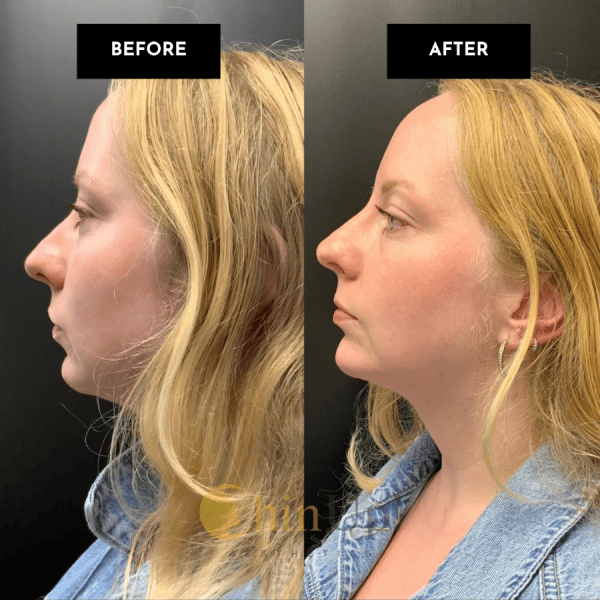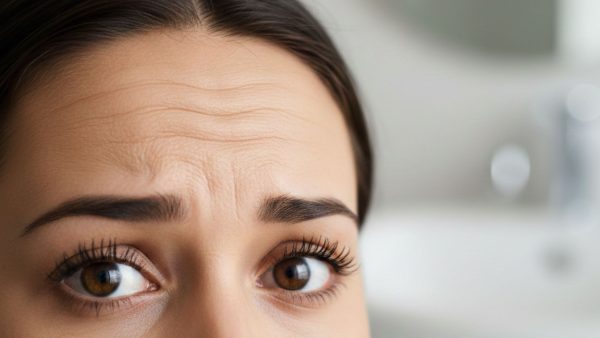

You’ve found the before-and-after photos. Smoother texture, softer fine lines, more even tone, pores that finally look refined. They look great, and they’re real.
But here’s what they don’t show you: the week in between. The number of sessions it took. And whether the person in that photo has skin anything like yours.
So we’ve put all of that on this page. The photos, a day-by-day account of what recovery actually feels like, and a plain explanation of why two people can have the same treatment and walk away with very different results.
Let’s start with the photos.
What These Photos Show, and How to Read Any Gallery
Every image below was taken at one of our Atlanta-area locations. Same lighting, same angle, same distance. No makeup, no filters, no retouching. Each caption tells you the session count, how long it’s been since the final treatment, and the area treated.
That context isn’t a nice extra. Without it, a before-and-after photo can’t really be read at all. So here’s what to look for, on this page or anyone else’s:
- Consistent lighting and angle between the two images
- The same amount of makeup in both
- A stated number of sessions
- A stated timeframe between the last treatment and the after photo
- Any other treatments done in the same window
Lighting alone can do more work than the treatment did. Overhead light exaggerates texture and shadow in a “before.” Soft frontal light flatters skin in an “after.” The same face, shot both ways, can look transformed with no treatment at all. Makeup is the other big one: a bare before and a made-up after isn’t a comparison of skin, it’s a comparison of skin and foundation.
Timing matters too. A photo at two weeks understates the result, while one taken at six months might be carrying a year of good skincare along with it.
Individual results vary.
Across the face, the first thing most patients notice isn’t a line disappearing. It’s the way light hits their skin. Smoother skin with tighter-looking pores reflects light differently, and that reads as clarity long before anyone measures a wrinkle.

The skin under your eyes and around your mouth is thin, mobile, and first in line to show crepey fine lines. It’s also the trickiest area to treat well, which is where your provider’s experience really matters.


Sun damage doesn’t stop at your jawline! Treating the neck, chest, and backs of the hands keeps those areas matched to a resurfaced face. It’s easy to skip them, right up until you see the mismatch in a photo. Then you can’t unsee it.
What CoolPeel Actually Is
CoolPeel is a fractional CO2 laser treatment. Instead of resurfacing your whole face at once, it removes tiny microscopic columns of damaged skin and leaves the skin around them untouched. That untouched skin in between is what helps you heal so quickly, which is why downtime runs in days instead of weeks.
The “cool” in the name refers to heat, not how it feels. The laser fires pulses short enough to do their work before much heat spreads into the surrounding skin. Less leftover heat means less downtime than older, fully ablative resurfacing. It does not mean the treatment feels cool! Most patients describe a run of quick, hot snaps, even with numbing.
CoolPeel is performed with the Tetra CO2 laser by DEKA.
What CoolPeel Improves, and What It Won’t
Not every concern responds the same way, or on the same timeline.
Skin texture and roughness
This is where CoolPeel performs most reliably. Resurfacing clears the roughness built up from sun exposure, aging, and dead cell buildup, and collagen keeps refining the surface for months afterward. You’ll notice how your skin feels within two weeks, and how it looks by week four.
Enlarged pores
Pores respond well, though not the way most people assume. The laser doesn’t shrink the opening directly. It firms up the skin around each pore, and firmer skin holds the pore in a tighter shape. Results build gradually, and how much you get depends on how much laxity was there to start. Expect noticeable improvement, not erasure.
Fine lines
Superficial lines soften nicely: crepey texture under the eyes, fine vertical lines around the mouth, early forehead etching. Deeper expression lines are a different problem, because they come from repeated muscle movement rather than surface damage. Resurfacing alone won’t erase those. The best outcomes come from treating the muscle and the skin surface as one plan, which usually means pairing resurfacing with Botox or Dysport.
Sun damage and uneven tone
Sun spots, mottled pigment, and that flat dullness from years of UV all respond visibly. Pigment darkens for a few days first, then flakes away. That’s the process working, not a warning sign! Sun damage on the chest and hands responds just as well as it does on the face. Those areas simply heal a little slower.
Acne scars, honestly
Shallow rolling scars and post-acne texture improve, and across a series that improvement really adds up. Deep ice-pick and boxcar scars are a different story. They reach far below what surface resurfacing gets to, and clearing them takes a more aggressive protocol or a combination approach with subcision or filler. If someone promises to erase deep scarring with CoolPeel alone, be skeptical. We’d rather tell you upfront what it can and can’t do.
What it won’t do
CoolPeel won’t remove deep wrinkles, correct significant sagging, treat active acne, or eliminate deep ice-pick scars. Those concerns come from muscle movement, volume loss, or the deeper layers of skin, and they need different treatments, usually alongside resurfacing rather than instead of it.
Your Recovery, Day by Day
Recovery follows a predictable sequence. Knowing what each day looks like is the difference between a normal recovery and a panicked phone call on day three!
Day 1
Your skin looks and feels like a mild sunburn. Pink to red, warm, a little tight. Mild swelling around the eyes is common and usually peaks overnight. Most patients are comfortable without any pain medication. Cool compresses, a bland moisturizer, and strict sun avoidance are the whole protocol for the first 24 hours.
Days 2 and 3
This is the roughest stretch. Redness deepens, swelling peaks, and your skin takes on a fine sandpaper texture as the treated areas dry and get ready to shed. Many patients also see bronzing, a darkening across the treated areas. It looks alarming, and it’s completely normal. These are the days to keep clear on your calendar.
Days 4 and 5
Peeling and flaking start around day three or four and run through day five. Your skin sheds in fine flakes, not sheets. Please don’t pick, scrub, or exfoliate! Pulling at skin that isn’t ready to let go is the most common cause of prolonged redness, and sometimes of post-inflammatory hyperpigmentation, the darkening that can follow inflammation. Gentle cleansing and heavy moisturizing only.
Days 6 and 7
By now most patients look socially normal. Flaking has resolved, any leftover pinkness covers easily with mineral makeup, and you’ll start reintroducing your usual skincare in stages. Plenty of patients go back to work before this point, some within three or four days. Day six or seven is when nobody looks twice.
Weeks 2 through 12
Here’s the part nobody photographs. The visible recovery ends in about a week, but the treatment doesn’t. Collagen keeps rebuilding underneath for roughly three months, so your texture, firmness, and tone keep improving long after your skin looks healed. That’s why a photo at day seven and a photo at week twelve can look like two different people.
By day seven, you look normal. But you’re not finished yet. The best part is still coming!
Before your appointment. Prep starts two to four weeks ahead and may include stopping retinoids and exfoliating acids, avoiding sun, antiviral medication if you get cold sores, and a pigment-suppressing routine if you’re at higher risk of hyperpigmentation.
After your appointment. Four things: gentle cleansing, a heavy moisturizer, complete sun avoidance, and a staged return to active ingredients.
According to the Cleveland Clinic, recovery time with fractional laser resurfacing is about one full week.
When You’ll See Results, and How Long They Last
You’ll see your first results around two weeks, once the redness clears and your new skin settles. Improvement keeps building for roughly three months as collagen rebuilds underneath. Most before-and-after photos get taken at the four- to six-week mark, which captures clear improvement but not the finished result.
How long it lasts
Generally about a year with consistent sun protection, though that varies a lot with sun exposure, skin type, age, and your skincare at home. CoolPeel doesn’t stop aging. It resets your skin’s surface and adds collagen. Most patients hold their results with a single session each year, or more often for ongoing concerns like acne scars or heavy sun damage.
How many sessions you’ll need
Most patients do best with a series of three treatments spaced four to six weeks apart. A single session still gives you visible improvement in texture and tone, and for some people that’s enough. General texture and dullness often respond well to one or two sessions. Acne scars, heavy sun damage, and deeper fine lines usually need three or more. Your provider should give you an expected session count before you begin, not after.
Why the spacing matters
Treating again before the last session’s collagen rebuilding has finished wastes the treatment and buys you downtime you didn’t need. Four to six weeks lets your skin finish one rebuilding cycle before starting another.
And one non-negotiable: wear your SPF. Every day, no exceptions. Unprotected sun on freshly resurfaced skin is the fastest way to undo your result, and it’s the most common cause of pigmentation problems afterward.
Why Two People Get Different Results
Same device, same number of sessions, completely different photos. So what’s going on? Three things explain most of the gap, and only one of them is in your hands.
The settings
The Tetra CO2 platform adjusts across power, pulse length, coverage density, and number of passes. A gentle single pass and an aggressive high-density treatment are both technically CoolPeel, and they produce different results and different recovery times. The right setting depends on your skin type, your concern, your history, and how much downtime you can actually take. That’s a clinical judgment call, and it’s where most of the difference between two outcomes gets decided.
Your prep
Prepped skin resurfaces more evenly and heals faster. Skip it, and you won’t match the result of someone who didn’t, even from an identical treatment.
Your aftercare
The recovery instructions aren’t suggestions! Picking at flaking skin, restarting active ingredients too early, or catching real sun in the weeks afterward will all degrade your result and raise your risk of hyperpigmentation. The patients with the best before-and-after photos are the ones who followed aftercare to the letter.
None of which is visible in a photograph.
Is CoolPeel Right for Your Skin?
CoolPeel can be performed safely across a range of skin tones, but your Fitzpatrick skin type changes both the protocol and the risk profile.
If you’re Fitzpatrick type IV through VI, you face a higher risk of post-inflammatory hyperpigmentation after any resurfacing treatment. That risk gets managed with conservative settings, a longer prep period, and strict sun avoidance afterward. Not by avoiding treatment altogether. An in-person assessment is how we decide whether resurfacing suits your skin.
Melasma calls for extra caution
Heat can aggravate melasma, and resurfacing isn’t a first-line treatment for it. Some patients with a melasma history are still good candidates under the right protocol. Others are better served by something else entirely, and we’ll tell you if that’s you.
A few things mean waiting
An active skin infection in the treatment area, certain autoimmune and connective tissue conditions, pregnancy, or a fresh tan. If you’re currently taking or recently finished isotretinoin, bring it up at your consultation — expert consensus no longer supports an automatic delay for fractional treatments like this one, but it’s a conversation to have with your provider rather than an assumption to make. And a history of cold sores doesn’t disqualify you at all. It just means antiviral medication beforehand.
Risks and Side Effects of CoolPeel
CoolPeel works by creating controlled injury so your skin repairs itself, and every treatment that works that way carries some risk. Here’s what’s worth understanding before you book, given the same weight as the results above.
What to expect
Redness like a mild sunburn, swelling that peaks in the first 48 hours, a sandpaper texture across the treated area, temporary bronzing, peeling and flaking between days three and five, and some sensitivity or tightness. These resolve on a predictable timeline and are part of normal healing, not complications.
Less common side effects:
- Prolonged redness lasting beyond two weeks
- Post-inflammatory hyperpigmentation, most often in deeper skin tones or after heavy sun exposure
- Bacterial or fungal infection
- Reactivation of cold sores
- Acne flares or milia during healing
- Rarely, lightening of the skin or scarring
Risk climbs with more aggressive settings, poor aftercare, and unprotected sun during recovery.
Call us the same day if you notice pain that increases rather than improves, redness or warmth spreading beyond the treated area, yellow or green drainage, fever, blistering, or clustered painful lesions that could signal a cold sore outbreak. Early intervention prevents most complications from becoming lasting ones.
The most reliable way to lower your risk is the right patient and the right settings, which is the whole argument for choosing a provider who does these treatments regularly and plans them conservatively.
Frequently Asked Questions
Does CoolPeel hurt?
Most patients describe a series of quick, hot snapping sensations rather than sustained pain. Numbing cream goes on for about 30 minutes beforehand, and cool air runs during the treatment itself. The sensation stops the moment the laser does, replaced by a warm sunburn feeling for the rest of the day.
How long is the downtime, really?
Plan on three to five days of visible downtime and about a week before your skin looks completely normal. Days two and three are the most noticeable. Plenty of patients book a Thursday and head back to work the following Monday with mineral makeup.
Can I wear makeup afterward?
Skip all makeup for the first several days while your skin is actively shedding. Most patients can use mineral makeup around day five to seven, once peeling has resolved. Your provider will confirm timing based on how you’re healing.
Is CoolPeel safe for darker skin tones?
Yes, with the right approach. It calls for conservative settings, thorough prep, and disciplined sun avoidance afterward to reduce the risk of hyperpigmentation. Your candidacy depends on your Fitzpatrick skin type, your pigmentation history, and recent sun exposure, which is exactly why an in-person assessment comes first.
According to the American Board of Cosmetic Surgery, patients with medium-to-dark skin face a higher risk of post-inflammatory hyperpigmentation with certain laser treatments, particularly when the provider is inexperienced with the correct settings for their skin tone.
Can I get CoolPeel in the summer?
You can, but summer treatment in Georgia takes a realistic commitment to staying out of the sun during recovery and wearing mineral SPF afterward. If you’ve had heavy recent sun exposure or an active tan, wait. Plenty of our patients prefer fall through early spring for exactly this reason.
How does CoolPeel compare to other resurfacing options?
It sits in a specific spot. More effective than microneedling for surface texture and pigment. Less downtime than traditional fully ablative CO2 resurfacing. More aggressive than a chemical peel. Which one is right depends on your concern, your skin type, and how much recovery you can accommodate, not on which treatment is newest.
Is CoolPeel the same as CoolSculpting?
No! They share part of a name and nothing else. CoolPeel is a laser resurfacing treatment for the face, neck, chest, and hands. CoolSculpting is a body contouring treatment that reduces fat by freezing fat cells.
Ready to See What CoolPeel Could Do for Your Skin?
The before-and-after photos on this page are real. So is the week of recovery behind every one of them. A photo shows you the last frame of that sequence and nothing before it.
What these photos can’t tell you is what CoolPeel will do for your skin. That depends on your skin type, your concern, and how the treatment gets planned. Which is exactly the conversation worth having before you book anything.
Your consultation is complimentary and performed by one of our licensed nurse practitioners or physician assistants. We have three convenient locations in Kennesaw, Smyrna/Vinings, and Decatur to serve you, and virtual consultations are available if that’s easier.
Ready to enhance your look with expert care? Book your free consultation today and take the first step toward feeling more confident.
This article is for general educational purposes and is not medical advice. CoolPeel is performed using the Tetra CO2 laser by DEKA. Individual results vary. All photographs are of actual Chin Up! Aesthetics patients, published with written authorization, and are unretouched. Treatment suitability, expected outcomes, and risks must be determined through an in-person evaluation with a licensed provider.